Negative reviews shape buying choices more than most business owners expect today. A single bad comment can stop trust, reduce sales, and hurt brand image fast. Clear action can turn this negative review problem into steady growth.
Many customers read reviews before they trust a product or service online. One complaint may not harm much, but repeated issues create doubt and fear. A smart response can fix trust and improve your public image.
This guide will explain what to do about negative reviews, with different strategies, real examples, and clear reply ideas.
Effective Strategies for Handling Negative Reviews
Negative feedback can feel stressful, but a clear plan can protect your business image. This section explains what to do about negative online reviews to reduce the spam score of your website with simple actions that build trust and improve customer experience over time.
1. Respond Quickly, Kindly, and Professionally
A fast reply shows customers that you care about their voice and experience. When you answer within one day or a few days, people feel heard. This simple act can reduce anger and protect your brand from further damage.
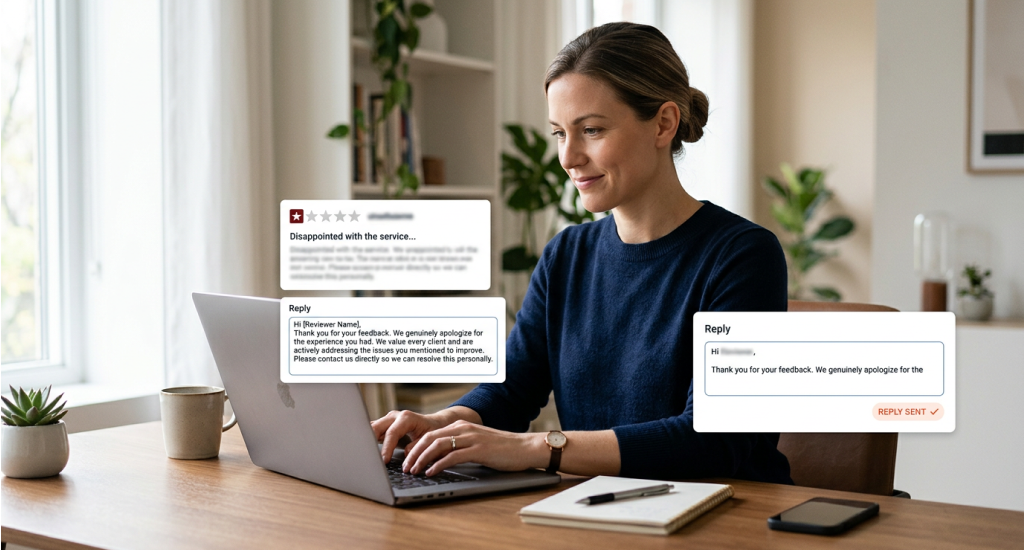
Your tone matters more than your words in many cases. A calm and polite reply can turn a bad moment into a good memory. People often judge your business by how you handle problems, not just by the problem itself.
You can use these simple habits for better replies:
- You should reply within 24 hours when possible.
- Keep your tone calm and respectful.
- Try to avoid long delays that create more frustration.
- Thank the customer for their feedback.
2. Apologize and Take Responsibility
An honest apology can calm a customer even if the issue feels unfair. It shows respect and helps rebuild trust. People often want to feel understood more than they want a perfect solution.
Taking responsibility does not mean you accept all blame every time. It means you accept that the customer had a bad experience. This approach keeps the conversation peaceful and helps you move toward a solution.
You can use a simple line like this:
“We are sorry for the trouble you faced. We want to fix this for you.”
3. Offer to Resolve the Issue Offline
Public comments are not always the best place to fix a detailed problem. Private communication allows a better and more personal solution. It also keeps long discussions away from public view.
When you invite the customer to connect through email or phone, it shows real effort. This step often makes the customer feel valued and respected. It also helps you understand the issue clearly without confusion.
You can try these steps to move the conversation:
- Share a support email or phone number.
- You should ask the customer to contact you directly.
- Promise a clear follow-up once they reach out.
- Try to keep your message short and polite.
4. Avoid Getting Defensive
A defensive reply can make the situation worse very quickly. Even if the review feels unfair, a strong reaction can damage your brand image. Other readers may see your reply and form a negative opinion.
You should stay calm and focus on the issue instead of your emotions. A respectful reply shows maturity and control. This approach can help protect your reputation and keep the conversation productive.
Here are some helpful reminders if you don’t know what to do about a negative Yelp review:
- Do not argue with the customer.
- Avoid blame or excuses in your reply.
- You should focus on fixing the issue instead.
- Always keep your message clear and polite.
5. Show Empathy and Acknowledge Concerns
Empathy means you understand how the customer feels at that moment. This simple step can change the tone of the entire conversation. People feel valued when their emotions are recognized. They become more considerate with compassionate replies.
A kind message can reduce anger and open the door for a solution. Even a short line can make a big difference. It will show that your business cares about people, not just sales.
You can say something like this:
“We understand your frustration, and we are working to improve your experience.”
6. Address Valid Points and Offer Solutions
Some reviews highlight real problems that need attention. Ignoring these points can harm your business over time. A clear response shows that you take feedback seriously.

You should explain how you plan to fix the issue simply when you don’t know what to do about negative Facebook reviews. Customers respect honesty and effort. This smart approach can turn a negative review into a positive impression for future readers. Also, it helps you get more Google reviews.
You can follow these simple steps:
- Identify the main issue in the review.
- Explain what you will change or fix.
- You can offer a clear and simple solution.
- Keep your message honest and direct.
7. Handle False Reviews Carefully
Not all reviews are true or fair. Some may include wrong details or harmful intent. These reviews need careful handling to protect your business image.
You should not respond with anger or strong words. Instead, you must stay calm and follow platform rules. Most review platforms allow reports for false or abusive content.
You can take these steps for false reviews:
- Save proof that shows the review is incorrect.
- Report the review through the platform system.
- You can write a calm reply with your side of the story.
- Try to avoid personal attacks in your response.
8. Learn from Feedback
Negative reviews can reveal hidden problems in your business. These insights can help you improve service and customer experience. Every complaint can teach something useful if you study it carefully.
You should look for repeated issues across multiple reviews on Google. This pattern shows a real problem that needs attention. If you can fix these areas, it can reduce future complaints and improve customer trust.
Try to use this approach for better results:
- Read reviews with an open mind.
- You can note common complaints from customers.
- Make small improvements step by step.
- Track changes and check new feedback.
9. Encourage Positive Reviews
Good reviews can balance negative ones and build strong trust. Happy customers often stay silent unless you ask for feedback. A simple request can increase your positive reviews.
You should ask at the right moment after a good experience. This step feels natural and not forced. Also, it can help create a steady flow of positive feedback online.
You should try these easy methods:
- Ask customers after a successful service.
- You can share a direct review link for ease.
- Keep your request short and polite.
- Always try to thank customers for their time.
10. Reputation Management Tools
Managing reviews across many platforms can feel difficult without support. Tools can help you track reviews and respond faster. These managed tools can save time and keep your brand active online.
Many helpful reputation management tools collect reviews from different sites in one place. You can reply quickly and monitor customer feedback easily. This process can greatly improve your response speed and consistency.
Some of the popular uses of these tools include:
- Track reviews from multiple platforms.
- You can get alerts for new feedback.
- You can reply from one dashboard.
- Monitor overall customer sentiment.
This tool-based step can support what to do about negative online reviews in a more organized and reliable way.
11. Use Transparency in Your Response
Clear and honest replies build strong trust with your audience. When you explain your side politely, readers understand your effort. This transparent approach can reduce confusion and improve your brand image in the right way.
If a review includes wrong details, you should correct them with respect. You must avoid harsh words or a strong tone. A calm explanation can help both the reviewer and future readers understand the situation better.
You can follow these tips for transparency:
- Share facts in a simple way.
- Try to avoid long or complex explanations.
- Stay respectful in every line.
- You can offer to discuss the issue privately
12. Follow Up on Resolving the Issue
A follow-up message shows that your effort did not stop after one reply. It proves that you care about the final result more. This strategic step can turn a frustrated customer into a loyal one.
You can reach out to the reviewer after you solve the issue and confirm satisfaction. This action can build trust and leave a positive impression. It also increases the chance that the customer might update their posted review.
Try to use this simple follow-up plan:
- Send a message after the solution.
- You can ask if the issue is fully resolved.
- Try to thank the customer for their patience.
- You could invite them to share updated feedback.
13. Encourage a Positive Mindset for Business Resilience
Negative reviews can affect your mood and confidence as a business owner. A strong mindset helps you stay focused and calm. This firm attitude supports long-term growth and success.

Do not take every review as a personal attack. You should see it as feedback that can guide your improvement. This positive shift in thinking can really help you move forward with clarity and strength.
You should keep these ideas in mind:
- Stay calm after reading a bad review.
- You should focus on solutions, not emotions.
- Try to use feedback as a tool for growth.
- Always keep your long-term goals clear.
This optimistic mindset will complete your plan for what to do about negative reviews for your business and help you build long-lasting success.
According to Thrive, a single bad review can lead to a business losing up to 30 customers. That’s why you should never underestimate a single negative review.
What to Do If Negative Reviews Do Not Slow Down
Sometimes, negative reviews continue even after your best efforts and careful replies. This situation can feel stressful and confusing for any business owner. A smarter plan can help you regain control and protect your reputation.
Identify the Root Problem
When reviews keep coming, there is often a deeper issue behind them. You need to study your service, product, or process with full honesty. Look at what customers say again and again in their feedback.
You should check if delays, poor support, or unclear policies cause these complaints. Fixing the real problem can reduce future negative reviews. A few small improvements in key areas can create better customer experiences over time.
Improve Customer Experience at Every Step
A smooth experience can prevent many complaints before they even start. Think about each step a customer goes through with your business. Even small gaps can result in potential frustration and bad reviews.
You should train your team to handle customers with care and respect. Clear communication also helps avoid confusion and mistakes. A better experience can result in fewer issues and more trust from your audience.
Increase Positive Review Flow
If negative reviews grow fast, you need more positive voices to balance them. Happy customers can support your reputation, but they may stay silent without a simple request.
You should ask for feedback after a good experience in a polite way. Try to make the process easy so customers can leave a review quickly. This step can help improve your overall rating and build trust online.
Monitor and Adjust Your Strategy
You need to track your review trends and response results regularly. This initiative can help you see what works and what needs to change. Without review tracking, problems may repeat again.
Besides, you can use tools or simple records to watch feedback patterns over time. Adjust your approach based on new data and customer behavior. This method supports better control over what to do about negative Google reviews in the long run.
However, if all these strategies seem difficult for you as a business owner to manage, you can get professional service from reliable marketing and strategy agencies like Monday Digital.
Final Thought
Negative reviews do not always harm your business if you handle them with care. A thoughtful reply can build trust and show your commitment to better service. Each complaint can guide you toward useful improvements and stronger customer relationships.
You should keep track of feedback, reply with empathy, and focus on steady improvement in your service. This simple habit supports long-term growth and helps you master what to do about negative reviews with confidence.