Search has changed, but many SEO tools still act like it is 2015. Today, people ask AI chat systems for answers, not just Google. Your website may rank on search pages, but stay invisible inside AI replies. That means lost visitors, lost sales, and zero warning from old tools.
AI search engines pull answers from many sources and show one clear result. If your site is not selected, you simply disappear from view. Normal rank trackers cannot show this problem. They check links and keywords, but they do not check AI visibility.
This guide explains the best AI-mode SEO analysis software in 2026. You will learn which tools track AI search presence and why they matter now. So, read on to protect your traffic before competitors take your place.
What Is AI Mode SEO Analysis Software?
AI Mode SEO Analysis Software helps websites see how they appear in AI-driven search results. Unlike normal SEO tools, it measures visibility inside AI answers, chat responses, and generative engines. This software shows if your content is noticed by AI systems or ignored.
These tools include AI mode SEO rank tracking tools that check how pages perform in AI search. They often use prompt-based tracking systems, which test how AI answers questions about your brand or products. It really gives clear insight into AI visibility.
AI Search Analytics frameworks monitor which content AI chooses to show. They track AI-generated answers, citations, and references to your site. Also, they can ensure your brand appears in large language model outputs.
By using AI citation tracking and brand monitoring, businesses can protect their reputation and influence answers inside AI tools. It goes beyond traditional SEO, showing where your website matters in AI search.
AI Mode / AI Visibility Tracking Tools (New SEO Layer)
Search no longer ends on blue links alone. AI answers now shape what people see and trust. This new SEO layer tracks brand presence inside AI responses, summaries, and overviews across engines, not classic rankings.
Profound – AI Answer Monitoring & Brand Visibility Platform
Profound focuses on how AI systems talk about your brand. It checks answers shown by AI engines and reports where your name appears. It helps brands stay visible inside AI responses, not only on web pages.
The platform tracks brand mentions inside generated answers. It also checks GEO visibility, which shows how brands appear by location. It matters because AI answers change based on region and language context.
Multi-engine tracking compares visibility across different AI tools. You see gaps where competitors appear more often. This tool suits teams that want early signals from AI-driven search environments.
Rankscale.ai – GEO Visibility Scoring & AI Rank Tracker
Rankscale.ai measures how visible a brand feels inside generative engines. It assigns GEO scores instead of classic ranks. This matches how AI search behaves today.
- GEO score reflects brand strength inside AI-generated search responses.
- AI rank monitoring tracks visibility changes across generative engines.
- Multi-engine checks compare presence across several AI platforms.
- Visibility trends help spot gains and sudden drops early.
Nightwatch – Hybrid SERP + AI Tracking System
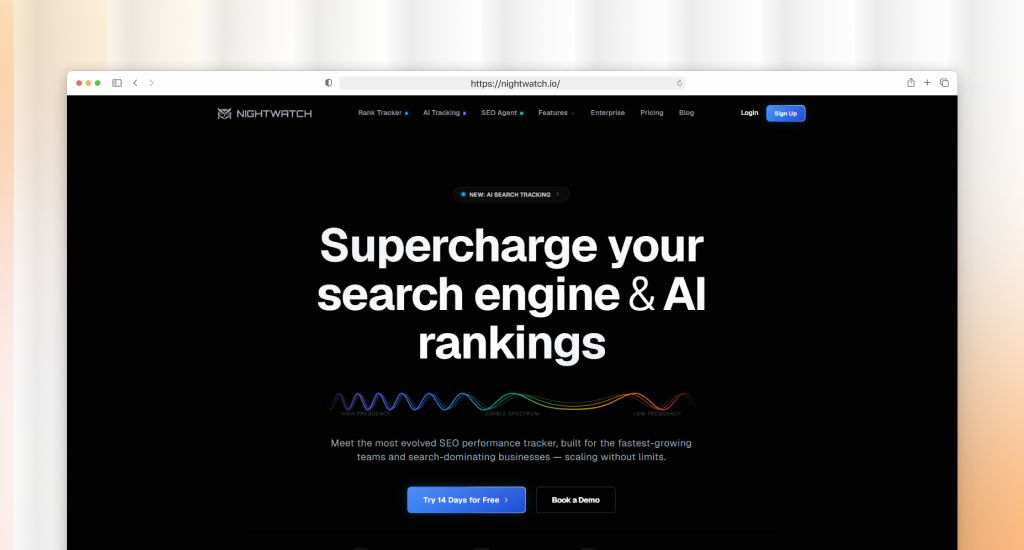
Nightwatch blends traditional SEO tracking with AI visibility signals. It keeps classic rank data while adding an AI layer. This tool helps teams compare old and new search behavior.
- Traditional rankings stay visible alongside AI presence data.
- AI visibility layer shows brand exposure inside AI summaries.
- SERP feature tracking monitors snippets, panels, and rich results.
- The tool suits teams managing both classic and AI-driven SEO.
Authoritas – AI Overviews & Enterprise Search Monitoring Platform
Authoritas supports large brands that track thousands of keywords. It now includes AI Overview monitoring from Google. It is able to help enterprises see where AI replaces classic results.
- AI Overviews tracking shows keyword loss or a visibility shift.
- Enterprise dashboards support large data sets and team access.
- Keyword monitoring works at scale across many markets.
- The platform suits global brands with complex search reporting needs.
Otterly.AI – AI Inclusion & LLM Analytics Dashboard
Otterly.AI looks at whether AI engines include your brand at all. It answers a simple question. Does the AI mention you or ignore you? It really matters as many users stop searching after AI replies.
The dashboard shows visibility across large language models. Prompt-based tracking checks how brand presence changes with question wording. Citation checks show which sources AI trusts when answers appear.
This tool helps content and PR teams understand AI exposure. It does not focus on classic SEO metrics. Its value stays in AI response inclusion and source recognition.
Nozzle – Advanced SERP Feature & AI Monitoring Tool
Nozzle gives very deep search result data. It tracks every SERP detail and now includes AI elements. Power users value its data depth and control.
- SERP feature tracking covers AI answers and rich result elements.
- Deep rank data supports advanced analysis and audits.
- Keyword management handles very large keyword lists.
- Best for teams that want raw and detailed search data.
Eesel AI Blog Writer – AI Content + Optimization Layer
eesel AI Blog Writer focuses on content output speed. It combines writing help with optimization steps. It is suitable for teams that want AI content aligned with visibility goals.
- Blog drafts follow an SEO-friendly structure and topic flow.
- Optimization helps improve relevance for AI and search engines.
- Workflow speed helps teams publish more often.
- The tool fits content teams with limited manual editing time.
Peec AI – AI Citation Monitoring & Share of Voice Tool
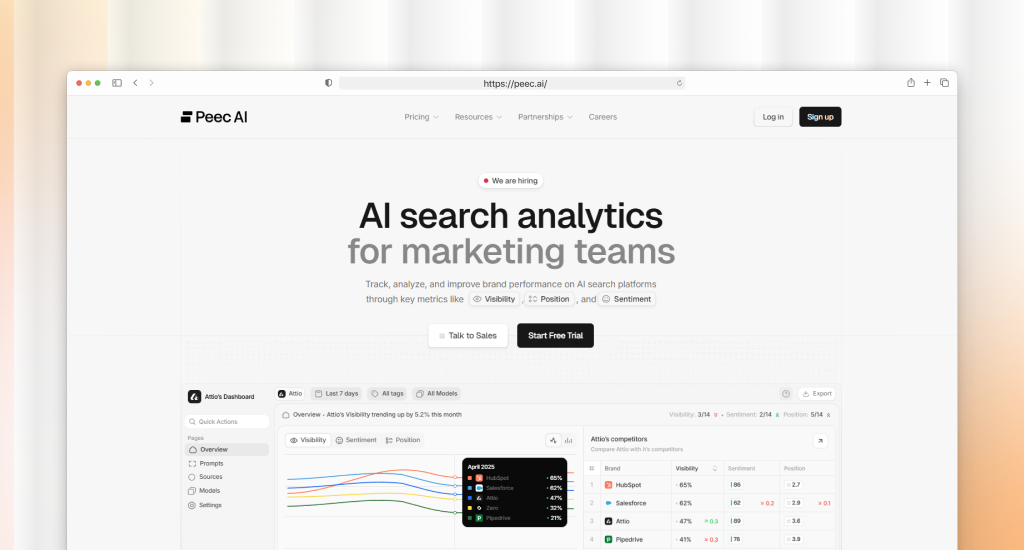
Peec AI tracks how often AI tools cite your brand versus others. It measures the share of voice inside AI-generated answers. It shows competitive strength within AI summaries.
The platform highlights citation frequency trends. You see growth or loss over time. Brand analytics compare visibility across multiple AI engines without manual checks.
Peec AI tool suits brands that care about authority signals. It helps explain why competitors appear more often. Peec AI focuses on presence, not keyword rank.
GS Location Changer – SERP Simulation & Geo-Based AI Testing Tool
GS Location Changer helps test search results by location. This filtration matters because AI answers vary by region. It supports geo-level AI testing without travel or VPN use.
- Location-based SERP simulation shows regional result differences.
- AI Overview testing checks visibility across cities or countries.
- Geo monitoring helps global brands test local presence.
- The tool supports testing, not full SEO management.
Valentin.app – AI Citation & AI Visibility Monitoring Tool
Valentin.app compares how AI engines respond to similar prompts. It tracks citations and brand mentions across answers. Also, it can reveal trust signals inside AI outputs.
- Citation tracking shows which brands AI prefers as sources.
- Brand mention checks track presence inside generated responses.
- AI comparison highlights differences between engines.
- Useful for PR, SEO, and authority-focused teams.
Why AI Mode SEO Analysis Matters in 2026
AI search is changing the way websites appear online. Traditional SEO focuses on keywords and links, but AI systems read and summarize content differently. Businesses now need tools that show how AI sees their website.
Commercial Investigation Intent
Some searches show that people want to buy or compare products quickly. AI mode search rank tracking tools help detect these commercial searches. Knowing this lets websites appear in AI responses that guide buyers directly to them.
Rise of AI Answers
AI answers appear directly in chat or snippet formats, often without showing search results. Zero-click searches are growing fast. It means websites can lose visitors even if they rank high on traditional search pages.
Influencing AI Responses
SEO is no longer only about ranking pages. The goal now includes shaping AI’s answer choices. Best ai mode rank trackers show which content appears in AI responses and which topics the AI ignores.
Limits of Traditional SEO
Old SEO tools focus on backlinks, keywords, and page rank. They cannot measure AI visibility. Without AI analysis, websites may look healthy but actually fail to reach real users asking questions.
Generative Engine Optimization (GEO)
GEO is the practice of tailoring content to appear in AI-generated results. AI-aware SEO tools show which pages AI prefers. This initiative ensures your website influences AI answers, increases traffic, and stays ahead of competitors.
Traditional AI-Powered SEO Suites (All-in-One Platforms)
There are many all-in-one AI SEO tools on the market. Some promise everything but miss key needs. Cost, learning time, and limits matter. Still, a few trusted platforms handle core SEO tasks well for teams.
Semrush – AI-Driven Competitive & Predictive SEO Suite
This platform fits teams that want wide SEO control in one place. You get tools for keywords, rivals, site health, and reports. The dashboard may feel busy at first, yet it covers almost every SEO need.
The predictive rank feature in Semrush helps estimate how pages may perform later. This process helps plan content before traffic drops. Keyword clusters group similar search terms, which saves time during page planning.
Site audits scan pages and point out clear problems with fixes. Rival gap reports show what others rank for that you miss. Large reports suit companies with many pages and team members.
Ahrefs – Backlink Intelligence & SERP Analysis Platform
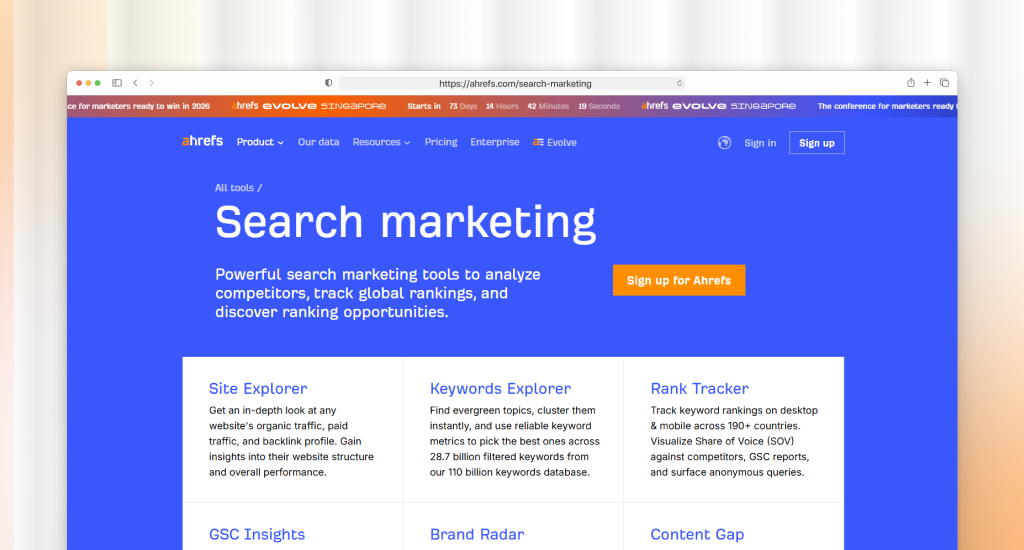
Ahrefs suits users who care most about links and search result pages. Its data feels deep and reliable. The interface stays clean, yet some features focus more on research than on the full SEO workflow.
- Check link strength and spot weak links that hurt page trust.
- See how search results look before you plan page layout.
- Group keywords by search goal for better page focus.
- Compare site authority with rivals in your market space.
- Review page growth trends with clear charts and simple metrics.
SE Ranking – AI Rank Tracking & Agency Reporting Platform
SE Ranking works well for agencies and small teams. The layout feels simple, and tools stay easy to use. You can manage many sites without confusion or slow load time.
Rank tools show page positions across search engines and regions. Updates arrive often, so reports stay fresh. Rival watch tools help spot sudden moves from competitors.
Reports support brand names and custom styles for clients. Dashboards split projects clearly, which helps daily work. You may miss very deep data, yet speed and clarity stand out here.
seoClarity – Enterprise AI SEO Automation System
seoClarity’s platform targets large companies with huge websites and many teams. It focuses on scale, control, and speed. Smaller sites may feel overwhelmed, yet big brands gain strong value from its deep automation tools.
Predictive analytics show likely ranking shifts before traffic loss happens. It helps teams act early. Workflow tools assign tasks, track progress, and reduce manual effort across SEO teams.
Site monitoring checks thousands of pages at once, and flags risks fast. API access connects SEO Clarity with other business systems. It is suitable for enterprises that need SEO tied closely to wider data systems.
Surfer SEO – NLP-Based Content Optimization Platform
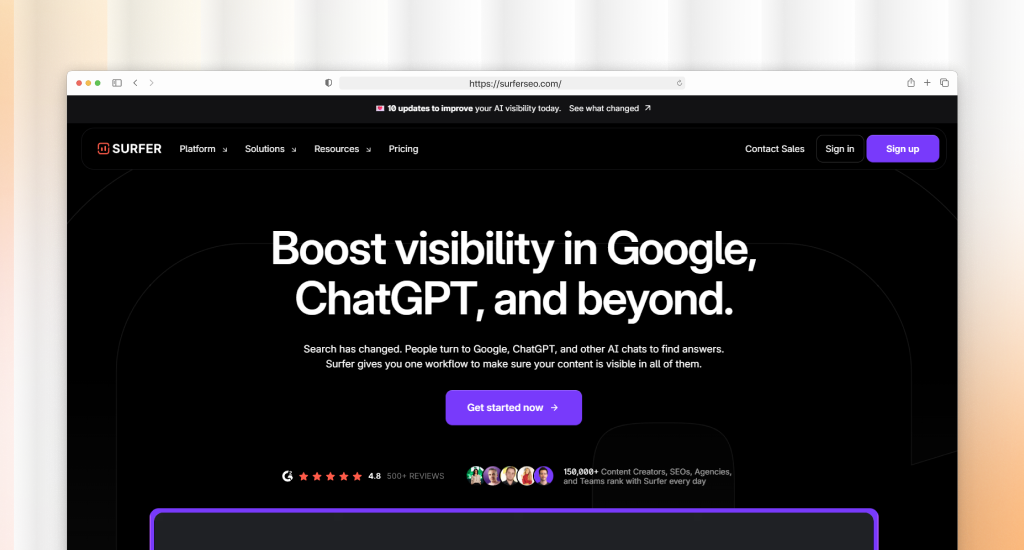
Surfer SEO focuses on page content, not full SEO management. Writers and editors often prefer it. It gives clear rules based on top search results and helps shape pages that match search intent.
- The content editor shows word count, terms, and structure based on top results.
- Semantic engines measure topic depth using real search result data.
- Page rules come from live search result comparisons.
- On-page workflow helps teams follow steps in the correct order.
- Scores update as text improves, which guides better page quality.
Scalenut – AI Content Brief & Keyword Clustering Tool
Scalenut helps during early content work stages. It supports topic ideas, page outlines, and keyword groups. Users who want fast content direction often find this tool helpful.
Content briefs include headings, terms, and questions from search results. Topic clusters group related keywords under one main theme. It can support better site structure and internal links.
Optimization scores show how well a page matches search expectations. It may not replace full SEO tools. Still, it works well for teams focused on content growth and topic authority.
MarketMuse – Entity-Based Topic Authority Modeling Platform
This platform suits users who care about topic depth and trust. MarketMuse studies how topics connect and checks if pages cover ideas fully. The tool feels research-heavy, yet results guide strong long-term content plans.
- Topic authority models show which subjects need more expert-level coverage.
- Entity focus improves page relevance through clear topic relationships.
- Gap reports highlight missing ideas across existing site content.
- Coverage score reflects how complete a page feels for search engines.
- Data suits teams that build authority, not quick traffic wins.
Frase – SERP Entity Analysis & Content Brief Automation Tool
Frase helps at the research and outline stage. It reviews search results and pulls key ideas, questions, and themes. This tool supports a clear page structure before writing begins.
Brief tools prepare outlines based on real search pages. Question focus helps match user intent closely. Teams use this to answer real search needs, not guesses.
It does less for technical SEO or rank checks. Still, Frase fits content teams that want strong outlines fast. It works well for blogs, guides, and help pages.
Alli AI – Automated On-Page Deployment Platform
Alli AI takes a very different role in SEO work. It does not stop at advice. It pushes changes live on pages. It helps teams skip manual edits and avoid developer delays.
The system applies on-page updates across many pages at once. Internal links update automatically based on page topics. It can save hours on large sites with repeated SEO tasks.
Multi-site control helps brands manage several domains from one panel. Large updates roll out fast and stay consistent. This tool fits teams that want fast action, not long planning cycles.
RankIQ – AI Keyword Targeting & Low-Competition Research Tool
RankIQ focuses on bloggers and niche site owners who want easier ranking chances. It does not chase high competition terms. Instead, it points toward topics with realistic growth potential and clear search intent.
- Keyword lists highlight low-competition terms with strong traffic potential.
- SERP review explains why small sites can rank for selected topics.
- Topic ideas match niche focus, not broad or generic keywords.
- Content hints guide structure without complex SEO rules.
- Data suits solo creators and small content teams.
NeuralText – NLP-Driven Content Planning & Optimization Tool
NeuralText helps shape content plans before writing starts. It groups keywords by meaning and topic closeness. This tool supports pages that feel complete and focused for search engines.
Content plans include headings, questions, and topic flow ideas. Semantic tips show what terms support main topics. It really helps pages match search expectations more closely.
The tool does not handle site audits or link data. Its strength lies within content structure and relevance. Teams focused on topical depth often prefer this approach.
Diib – Automated SEO Insights & Performance Monitoring Tool
Diib works like a simple SEO guide for site owners. It reviews site data and highlights clear actions. The interface avoids overload and keeps advice easy to follow.
- SEO alerts show issues that may block traffic growth.
- Performance reports explain traffic changes with simple reasons.
- Site health checks flag speed, security, and technical risks.
- Daily insights suggest next steps without expert SEO knowledge.
- Tool suits beginners and small business site owners
Traditional SEO Analysis vs AI Mode SEO Analysis
SEO tools have always focused on pages, links, and clicks. Traditional SEO measures rank, backlinks, and click-through rates. AI Mode SEO Analysis looks deeper. It looks at how AI reads, cites, and chooses content for answers. The difference changes how websites compete for visibility.
Rank Tracking vs AI Citation
Rank tracking shows where your website appears on Google for certain keywords. If you are at the top, more people may click your link. AI citation checks if AI tools mention your website when they answer questions. A site can rank high in search but still not appear in AI answers if the AI does not see it as useful.
Keyword Ranking vs AI Inclusion
Keyword ranking tells you which words bring visitors to your site. AI inclusion shows how often AI uses your content to build its replies. It means your ideas can reach people even if they never click on your page.
SERP Features vs LLM Answers
Old SEO focuses on featured snippets and FAQ boxes in search results. These are chosen by search engines. AI tools now track whether your content appears inside AI answers. It is very important because many users trust AI summaries more than long web pages.
Backlinks vs Brand Mentions
Backlinks are links from other websites to yours. They show popularity. AI visibility looks at brand mentions, which means how often AI talks about your brand. Even without links, repeated mentions can build a strong online presence.
CTR vs Zero-Click Influence
CTR measures how many people click your site. Zero-click influence means users get answers without clicking anything. If AI uses your content, you still help people, even without traffic.
Technical Audits vs AI Visibility
Technical SEO fixes website problems. AI visibility checks if AI understands your brand and trusts your content. It is about being recognized, not just being fast.
Core AI Platforms AI Mode Tools Must Track
AI searches now happen across multiple platforms. Each AI reads content differently and shows answers in its own way. Tracking visibility across these systems ensures your website appears wherever users ask questions.
Google AI Overviews
Google AI pulls answers from websites and summarizes them in featured snippets or chat boxes. AI mode tools monitor which pages Google highlights and how often your brand appears in these summaries.
OpenAI ChatGPT
ChatGPT generates conversational answers from multiple sources. Tools track which content appears in ChatGPT replies. It can show whether your website is cited or ignored in AI-generated answers.
Google Gemini
Gemini provides AI-powered answers across search and apps. Monitoring Gemini shows how your content influences AI responses and identifies missed opportunities in Google’s generative ecosystem.
Anthropic Claude
Claude creates AI answers emphasizing safety and relevance. Tracking this platform helps brands see how their content fits ethical and informational standards inside AI responses. A must-have for everyone.
Perplexity AI
Perplexity AI highlights sources in its answers. Available tools monitor citations, giving insights into which pages gain visibility and which fail to appear in AI references. It can be very helpful for all types of content.
Microsoft Copilot
Copilot integrates AI into Office tools and search. AI mode software checks how often your content informs Copilot answers. It can help you track visibility beyond web search alone.
Multi-Engine AI Monitoring
Different AI engines behave differently. Multi-engine tracking shows variations in citations, inclusion rates, and answer patterns across systems. As a result, it can reveal which platforms favor your content.
Differences in Citation Behavior
Each AI tool chooses sources uniquely. Tracking citation behavior identifies which pages gain trust from AI and which remain invisible. It can really help you adjust your content strategy.
AI Answer Inclusion Patterns
Tools analyze where your content appears in AI responses, measuring frequency and context. When you understand these patterns, you can adjust your content to show up in AI answers more regularly.
End Note
AI mode SEO has changed how search works. Brands now need tools that track visibility inside AI answers, not only page ranks. The best AI mode SEO checker helps spot mentions, citations, and gaps early.
Choosing the best AI mode seo analysis software depends on goals, size, and budget. Some tools suit large brands, others fit small teams. Clear data, simple reports, and AI visibility tracking matter the most now.