Most homeowners search online before they call a contractor, and that habit determines success today. Local seo marketing for remodeling contractors helps your business show up when nearby people search on Google Map amd other platforms for repair or upgrade work.
Good local SEO builds trust and steady calls. It uses clear business details, real reviews, and area pages so search engines know who you are, what you do, and where you work.
This guide breaks each step in simple terms and real examples. Read this blog to learn how to attract nearby clients, improve map results, and turn online searches into phone calls.
Is Local SEO Marketing Critical for Remodeling Contractors?
Homeowners rarely browse far for remodel help. They type short phrases with city names or “near me.” This habit shows clear intent. Local search brings people who want service soon, not later.
Local searches show strong action intent. Informational searches ask questions and seek ideas. Local searches seek phone numbers and visits. That difference matters because remodel work depends on trust, budget, and quick contact.
Paid ads stop once money runs out. Local SEO keeps working over time. Strong map presence and reviews help ensure you show up in local searches when real buyers look.
Local visibility supports booked projects, not vanity rankings. Reviews, mentions, and links build authority. That authority turns clicks into calls and visits into signed contracts.
- Google Business Profile confirms location, services, and business trust.
- Reviews prove quality work and reduce buyer fear.
- Citations repeat correct business details across trusted websites.
- Links support rankings and bring steady local leads.
Step-by-Step Local SEO Marketing Guide for Remodeling Contractors
Small actions bring real results when done in the right order. Local SEO works best when each step supports the next one. Missing a step weakens trust and visibility. Follow the steps below in order to build steady local growth.
Step 1: Target Local Keywords With High Buyer Intent

Local searches show clear action intent. Homeowners type short phrases that include service names and place terms. These searches signal readiness to call. Research-style terms show curiosity only and often result in long delays.
Buyer-intent keywords focus on service and location. Research-intent keywords focus on ideas, costs, or trends. Remodeling work depends on buyers, not readers. That gap makes keyword choice a serious business decision.
Google Autocomplete and People Also Ask reveal real search habits. Keyword tools support volume checks and location data. Each keyword must match a service page and a service area page.
- Kitchen remodel near me brings ready homeowners.
- Bathroom remodel city name shows strong service intent.
- Home renovation contractors nearby attract fast decision makers.
Step 2: Google Business Profile Optimization for Remodeling Contractors
Your Google Business Profile is often the first thing people see when they search for your services. You should think of it as your online storefront. When you claim and verify it, you take control of how your business appears, and Google is more likely to trust and show your profile.
For businesses seeking comprehensive visibility beyond local maps, Organic SEO Service ensures your website ranks for competitive keywords that drive qualified traffic to your remodeling services.
Choosing the right categories helps Google understand exactly what you do. Setting service areas shows where you work without sharing a home address. This initiative makes it easier for nearby customers to find you when they search.
For contractors managing multiple service locations, learn how to Set Up Multiple Practice Locations in Google Business Profile to properly configure your profile for maximum local visibility.
Photos matter more than many contractors realize. Real project photos build trust quickly, and before-and-after images clearly show the quality of work. Posting updates regularly also keeps your profile active and helps maintain steady visibility in local search results.
- Accurate categories connect searches with your remodeling services.
- Project photos build trust and support higher map visibility.
- Profile activity signals business health to Google systems.
Step 3: Local Search Ranking Factors Remodelers Must Understand
Local search results depend on three key signals. Proximity measures how close a searcher is to your business. Relevance checks if your services match what people are searching for. Prominence measures trust through reviews, links, and mentions online.
No single factor works alone. Being nearby won’t help if your services don’t match the search. Having strong reviews won’t help if your profile isn’t relevant. Balance across all three signals matters more than being strong in just one area.
These signals work together in Google’s local system. When they align well, your business gets more calls and visits. Weak alignment can block visibility, even if you put in a lot of effort.
- Proximity depends on address accuracy and service area setup.
- Relevance relies on services, keywords, and profile details.
- Prominence grows through reviews, links, and brand mentions.
Step 4: NAP Consistency and Local Trust Signals
NAP means business name, address, and phone number. These details must stay the same everywhere online. Search systems compare this data across sites to confirm business identity and location.
When citations show different addresses or phone numbers, trust drops. Google then doubts the legitimacy. That doubt lowers map visibility and weakens ranking strength for remodeling searches.
Accurate NAP supports prominence and authority. Directories, maps, and local sites repeat the same data. This repetition confirms stability and real presence in a service area.
- Same business details across all listings build strong trust.
- Inconsistent citations confuse search systems and reduce visibility.
- Accurate NAP supports stronger local ranking signals.
Step 5: Website Optimization for Local SEO Performance
Most local searches happen on mobile devices. A mobile-friendly site keeps visitors engaged, while slow pages cause people to leave and miss calls. Page speed also affects your rankings through Google’s performance signals.
Professional Web Design & Development Service ensures your remodeling website is fast, mobile-responsive, and built to convert local visitors into paying clients.
Local relevance begins on your homepage. Include city names, services, and clear contact details to show your location. Make sure titles and headings reflect both your services and your service areas.
Internal links guide both users and search engines. Connect service pages with location pages for clarity. Using simple, easy-to-read language helps build trust and makes visitors feel comfortable navigating your site.
- Mobile design supports local visitors and search performance.
- Clear geo-intent improves service and area matching.
- Easy navigation builds trust and confidence in conversion.
Step 6: Location-Based SEO and Geo-Specific Pages
Geo pages explain where services apply. City pages target towns. Service-area pages cover wider regions. These pages help search systems match proximity with service intent.
Competitive areas need deeper focus. Neighborhood terms and nearby landmarks add clarity. These references must fit naturally and support real service reach.
Each geo page needs a unique value. Content must differ by area, not repeat text. Google checks location context to confirm relevance and distance.
- City pages support town-level search visibility.
- Landmark mentions reinforce real local presence.
- Unique geo content prevents ranking conflict.
Step 7: Implementing LocalBusiness Schema Markup
Structured data helps search systems read your site with clarity. It acts like a label that explains business facts in a clean format. This support reduces confusion about services, location, and hours.
LocalBusiness schema confirms service type, service area, and work schedule. These details match website content with map data and profile data. Clear signals improve trust and eligibility for enhanced search features.
Schema also supports AI Overviews and future results. Search systems prefer a clear business context. Proper markup prepares your site for advanced display formats.
- Service type confirms remodeling focus.
- Location supports proximity matching.
- Operating hours improve local accuracy.
Step 8: Local Content Strategy for Remodeling Businesses
Local content describes services in specific locations. Geo-focused pages help connect work with towns and neighborhoods. This approach builds relevance and authority over time.
To develop a comprehensive marketing approach that aligns content with business goals, Digital Strategy Consulting helps remodeling contractors create integrated campaigns that support both local visibility and long-term growth.
City blogs and guides address area needs. Project stories with place context prove real experience. Local FAQ sections explain permits, pricing, and timelines with regional accuracy.
Season-based topics reflect climate and local demand. Regular content builds topical strength. Strong authority improves visibility and trust in local search results.
- Geo service pages support location relevance.
- Project stories build proof and credibility.
- Seasonal topics match local remodel demand.
Step 9: Local Link Building, Local Citations, and Directory Listings
Citations indicate that your business is active on trusted platforms. Each listing repeats your core details, which helps Google validate your business and improves your local ranking.
For remodelers, key directories are important. These sites already have buyer trust and authority. Keeping your business information correct across all listings ensures consistency and protects your reputation at scale.
Local links are more valuable than generic links. Links from suppliers, architects, and local news sites build real authority. These connections increase your prominence and trust, helping your business stand out in local search results. Also, it helps in:
- Houzz supports project credibility.
- HomeAdvisor connects service demand.
- Yelp and BBB support trust signals.
- Chambers confirms local business status.
Step 10: Online Reviews and Reputation Management

Reviews affect visibility and buyer trust simultaneously. Search systems read reviews to judge quality. Homeowners read reviews to judge safety and skill. Strong feedback supports calls and site visits.
To build a steady stream of positive feedback, read How to Get More Google Reviews for proven strategies that work for remodeling contractors.
Google Reviews lead local results. Yelp, Houzz, Angi, and HomeAdvisor support trust across platforms. New reviews matter more than old ones. Steady review flow shows active service.
Replies also matter. Calm and polite responses show care. Service and city terms inside reviews help relevance when written naturally. Reviews on the website act as proof.
- Google Reviews influence map results.
- Fresh reviews show active local service.
- Clear replies build trust with readers.
Step 11: Technical SEO for Local Visibility
Technical setup supports all local efforts. Search systems must access and read each page without error. Clean structure helps correct the index and display.
If your existing site has outdated code or poor structure, Website Re-design services can rebuild your digital foundation to support stronger local rankings and better user experience.
The LocalBusiness schema describes services, areas, and hours. This data aligns site content with profile data. Clear metadata with city terms improves local match.
Structured data supports AI-based results. Existing systems prefer sites with clear business signals. Strong technical health keeps visibility stable over time.
Step 12: Mobile Optimization and User Engagement Signals
Most local visitors use phones during quick moments. A responsive site adjusts to small screens and keeps text clear. Buttons must stay easy to tap. Pages must load fast to keep attention.
User actions send signals. A high bounce rate shows confusion or delay. A longer stay indicates interest and trust. Search systems read these signals during local ranking decisions.
Clear click-to-call buttons help fast contact. A simple layout helps focus. Good user experience supports algorithm trust and improves local visibility.
- Responsive layout supports all screen sizes.
- Tap-friendly buttons increase call actions.
- Strong engagement supports local ranking trust.
Step 13: Lead Generation and Conversion Optimization
Local traffic needs clear direction. Your calls to action should show people exactly what to do next. Simple language works best for local visitors, while confusing forms reduce trust and lead to fewer contacts.
Quote forms should remain concise and easy to use. Consultation booking helps serious buyers move forward. Mobile call buttons support fast decisions. You should always ensure every contact option remains visible.
Tracking is just as important. Calls, form submissions, and booked jobs show real value. Rankings only matter when they lead to paid work. A strong focus on conversions turns traffic into income.
- Clear calls guide local visitors.
- Short forms improve contact rates.
- Tracking shows the true return value.
Step 14: Tracking and Measuring Local SEO Performance
Tracking shows progress and weak points. Google Business Profile Insights reports calls and direction requests. Search Console shows local keyword visibility and page reach.
Tools like BrightLocal and SEMrush support ranking checks. Each tool shows different signals. Combined data can provide clear insights.
Key metrics include calls, directions, rankings, and leads. These numbers guide changes. Proper data helps refine the city’s focus and service reach for better results.
- Calls show buyer intent.
- Direction requests show visit interest.
- Rankings support visibility checks.
- Leads confirm growth success.
Advanced and Emerging Local SEO Tactics
Local search no longer works the same way it did a few years ago. If you rely solely on the basic setup, visibility declines quickly. New systems now listen, summarize, and judge context.
Advanced tactics help you stay competitive, visible, and trusted in busy local markets. These methods also help improve your local search rankings and get found in your city.
Voice Search Optimization

Your customers now talk to phones and smart speakers. They ask full questions about cost, timing, and nearby services. Pages that answer clearly perform better. Q&A schema helps structure replies. Featured snippets increase the likelihood that voice assistants will read your details.
LLM and AI Visibility
AI tools scan your site to explain what you offer. Clear “what you do” sections help them accurately describe your business. The FAQ schema adds structure. Short answers improve visibility inside AI summaries and overview panels.
For businesses targeting online sales alongside local services, e-commerce SEO strategies ensure product pages and service catalogs rank competitively in both traditional and AI-powered search results.
Hyper-Local Paid Strategies
Organic growth takes time. Paid local ads help you stay visible now. GBP Local Service Ads appear above maps. Geo-targeted search ads focus on nearby areas. These ads support steady leads while organic results improve.
Topical Freshness in Competitive Markets
Search systems watch activity. When your content stays up to date, it shows real service. Fresh pages reflect current materials and local rules. Regular updates help maintain rankings in competitive remodeling markets.
Entity and Brand Reinforcement
Your brand must look clear everywhere online. Consistent mentions confirm legitimacy. Accurate details help search systems connect profiles, pages, and reviews. Strong entity signals support long-term local trust and visibility.
Common Pitfalls & Troubleshooting
Local SEO can be tricky, especially when small issues accumulate. At first, everything seems fine, but then calls slow, map views drop, and clients can’t find you.
These problems occur frequently, especially for home remodeling companies managing multiple listings or legacy profiles. The good news? Most of these issues are fixable with some focus and patience. Let’s walk through them so you can protect your rankings and your reputation.
Duplicate Google Business Profile Listings
Having more than one profile confuses Google. It doesn’t know which one to trust, which can hurt your map visibility and search rankings.
How to fix it:
Keep only one verified profile. You should remove duplicates or request a merge through the Google Business Profile dashboard. If a profile is locked or you don’t have access, contact Google support with proof of ownership. A little patience here goes a long way toward getting your profile back in order.
Inconsistent NAP Details
Your business name, address, and phone number (NAP) must match exactly across all online listings. Even small differences, like “St.” vs “Street,” can hurt trust with Google.
How to fix it:
You should check your listings on Google, directories, and social profiles. Correct inconsistencies and track them for a few weeks. Once everything matches, Google sees your business as reliable, and your visibility improves.
Thin Google Business Profile
A sparse profile signals inactivity. Google wants to show profiles that look real and active, and so do potential clients.
How to fix it:
Add detailed services, service areas, business hours, and high-quality project photos. Post updates and new images regularly to demonstrate that you’re working and engaged with your clients.
Ignoring Negative Reviews
Negative reviews are uncomfortable, but ignoring them is worse. Many homeowners pay more attention to how you respond than to the star rating itself.
If you receive unfair feedback, learn 15 Reasons Why Your Google Business Reviews Are Disappearing to understand review policies and protect your reputation effectively.
How to fix it:
Reply politely and professionally. Address concerns directly, offer solutions when possible, and thank the reviewer. Your responses build trust and demonstrate your commitment to client satisfaction.
Non-Geo Content
Pages without clear location signals don’t rank well locally. Generic content makes it hard for Google to match your business to nearby searches.
How to fix it:
You should add real cities, neighborhoods, or regions where you provide services. Use location references naturally and honestly. Google rewards pages that clearly match the searcher’s area.
When to Contact Google Support
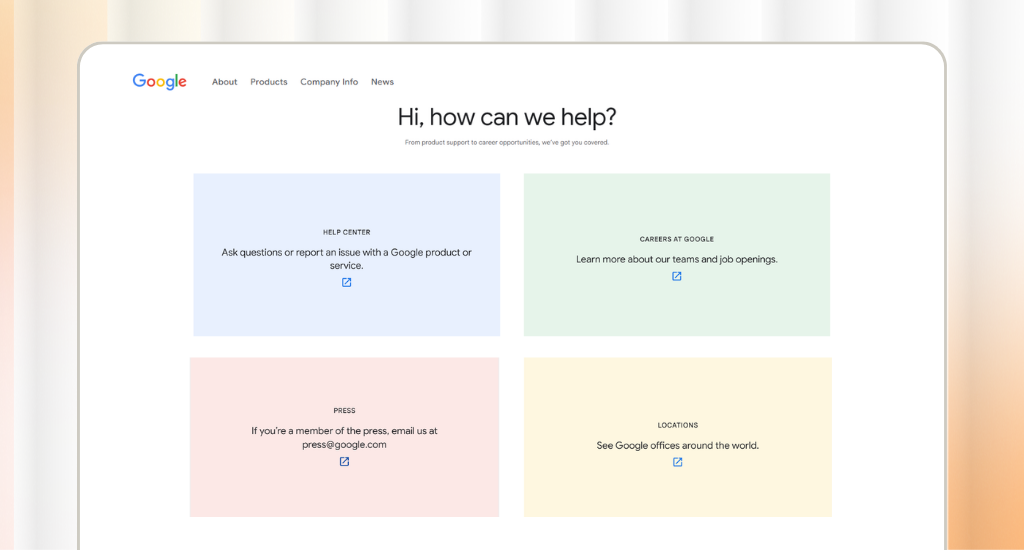
If profiles freeze, updates don’t apply, or edits seem lost, reach out to Google support. Provide screenshots or proof, follow up patiently, and track each request. With persistence, most issues get resolved.
If you take the time to fix these pitfalls, your local SEO will stay strong, calls will increase, and your remodeling business will stand out in your community.
Closing: Action Plan + 7-Day Launch Checklist
You now have a clear view of what drives local visibility and real leads. The gap between knowledge and results comes down to action. This plan keeps your focus sharp and prevents overload. Follow each step with care and patience.
These are proven Local SEO Tips for Remodeling Contractors that support steady growth when applied the right way.
Day 1: Verify and secure your Google Business Profile
Confirm ownership. Then you should review the business name, address, phone, hours, and categories. Remove old details. A clean profile builds trust and prevents ranking loss.
Day 2: Strengthen your profile content
Add detailed services and service areas. You should upload real project photos. Use clear descriptions that match your work. Activity shows your business is active and reliable.
Day 3: Publish your top three city pages
Create pages for your main service areas. Add local details, project examples, and clear contact paths. Each page must speak to that city only.
Day 4: Request five honest reviews
Try to reach out to recent clients. Share a direct review link. You should reply to each review with care. Fresh feedback improves trust and local visibility.
Day 5: Fix NAP across the web
Check maps, directories, and social profiles. Try to match business details everywhere. Consistency supports ranking strength and authority.
Day 6: Set up tracking tools
You should connect GA4 and Google Business Profile Insights. Track calls, directions, and page visits. Data reveals what works.
Day 7: Review and refine
Always check the results. Adjust weak areas. You should make a habit to repeat strong actions.
Want expert guidance? Schedule a local SEO audit or download the full implementation checklist today.
Conclusion
Local SEO marketing for remodeling contractors is more than a tech task. It helps your business become easy to find and trustworthy for nearby clients. Clear profiles, accurate details, and real reviews make homeowners choose you over competitors.
By following the steps in this guide, you can boost visibility, attract more calls, and grow your reputation in your community. You should take action consistently, keep your information updated, and watch how small improvements turn online searches into real remodeling projects.